
 BEFORE
 AFTER


Make a dedicated place part of everyday life with your dog. Pick a pack for one room, a clean-pad rotation, or several favorite spaces around the house. A little preparation can make the routine feel much more manageable.
Give the pad a fixed place, introduce it calmly and keep your normal routine consistent. Choose an area with enough room for your dog to approach and turn comfortably. This draft is for a reusable pad; final materials and any scent treatment still need to be confirmed.
A new surface is one part of the setup. Encourage your dog when they use the intended area, watch for their usual signals and keep the surrounding floor clean. Avoid moving the pad repeatedly while your dog is getting familiar with its location.
Introduce the new pad near the familiar area and allow time for the change. A washable surface can feel different under their paws. Observe what happens over several visits and adjust the location if the space is awkward.
There is no single timeline that fits every dog. Their age, previous habits and the layout of your home can all affect the transition. The practical goal is a steady routine you can maintain, rather than a guaranteed first-use result.
Plan the setup around the individual dog. Puppies need supervision and consistent guidance; older dogs may need a route that is easy to reach. Keep the surface flat and the pad within the area your dog can access comfortably.
Follow the care label for the supplied product. Keep a spare pad ready while one is being cleaned and dried, and make sure it is fully dry before placing it back down. Final wash-temperature and drying instructions will be added once the supplier details are confirmed.
The draft includes space for a 90-day satisfaction policy to match the offer layout. The store owner must set the actual eligibility, return instructions and refund terms before selling. Keep your order details so support can help with the correct product and package.
Before & After Gallery
BEFOREAFTER BEFORE
 AFTER
 BEFORE
 AFTER
 BEFORE
 AFTER
 BEFORE
 AFTER
 BEFORE
 AFTER
Draft visual examples • Replace with verified product results



Reference imagery for layout review






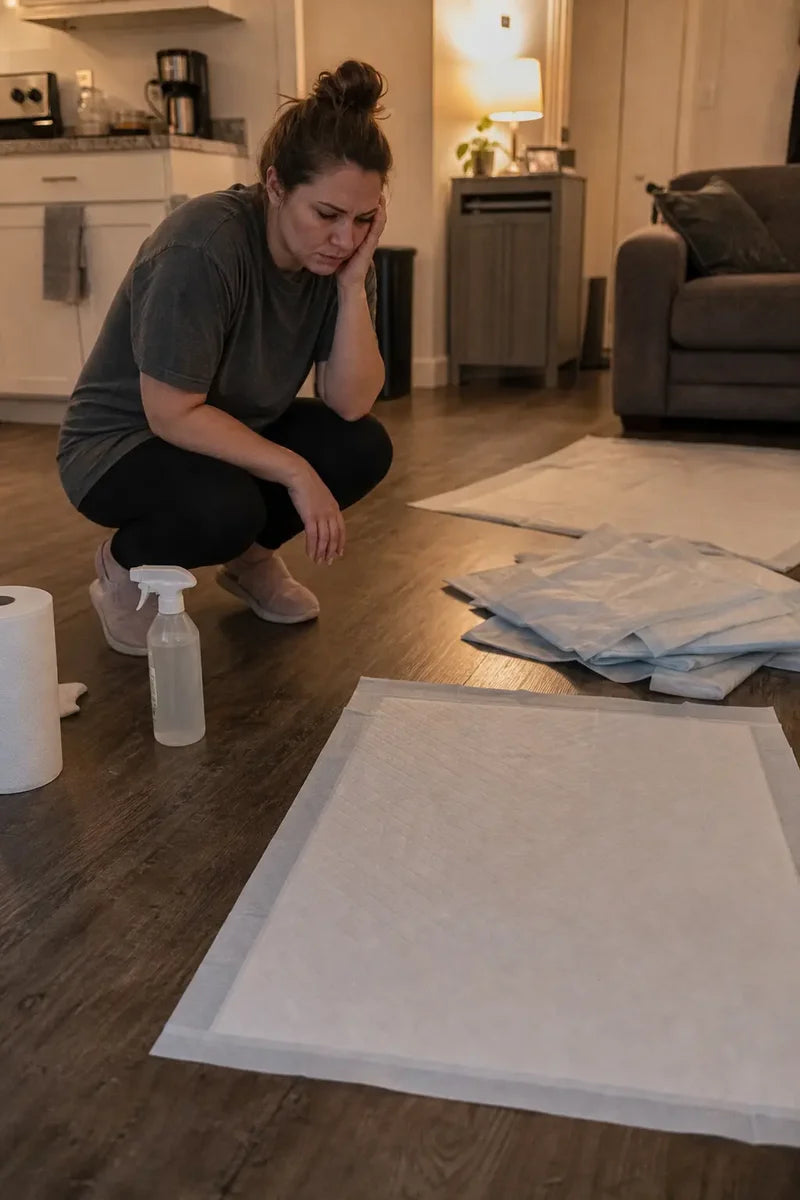
You prepare a spot, then find another cleanup nearby.
It can feel as if you are rearranging the room instead of building a routine. Start with a surface, a location and a plan that you can keep consistent.
It helps to separate the surface your dog uses, the space available and the guidance you give. The following cards show where each approach fits. A reusable pad can be part of that routine without replacing every other step.

Convenient when you need a fresh surface quickly. The tradeoff is a repeated supply of single-use material and another item to throw away after use.
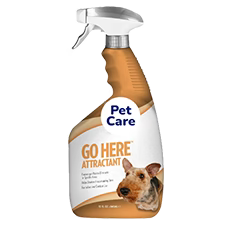
A separate scent product is another thing to apply and maintain. Follow its own directions and check that it is suitable for the surface and for the dog in your home.

Helpful when your schedule and your dog’s needs allow. An indoor setup can still be useful between visits, especially when access to an outside space takes time.

Consistent encouragement helps explain the intended routine. Keep the reward timely and the location predictable so the dog has a clear place to return to.
More room may suit a bigger dog or a different approach. Measure the actual area and allow room around the pad rather than relying only on the product name.

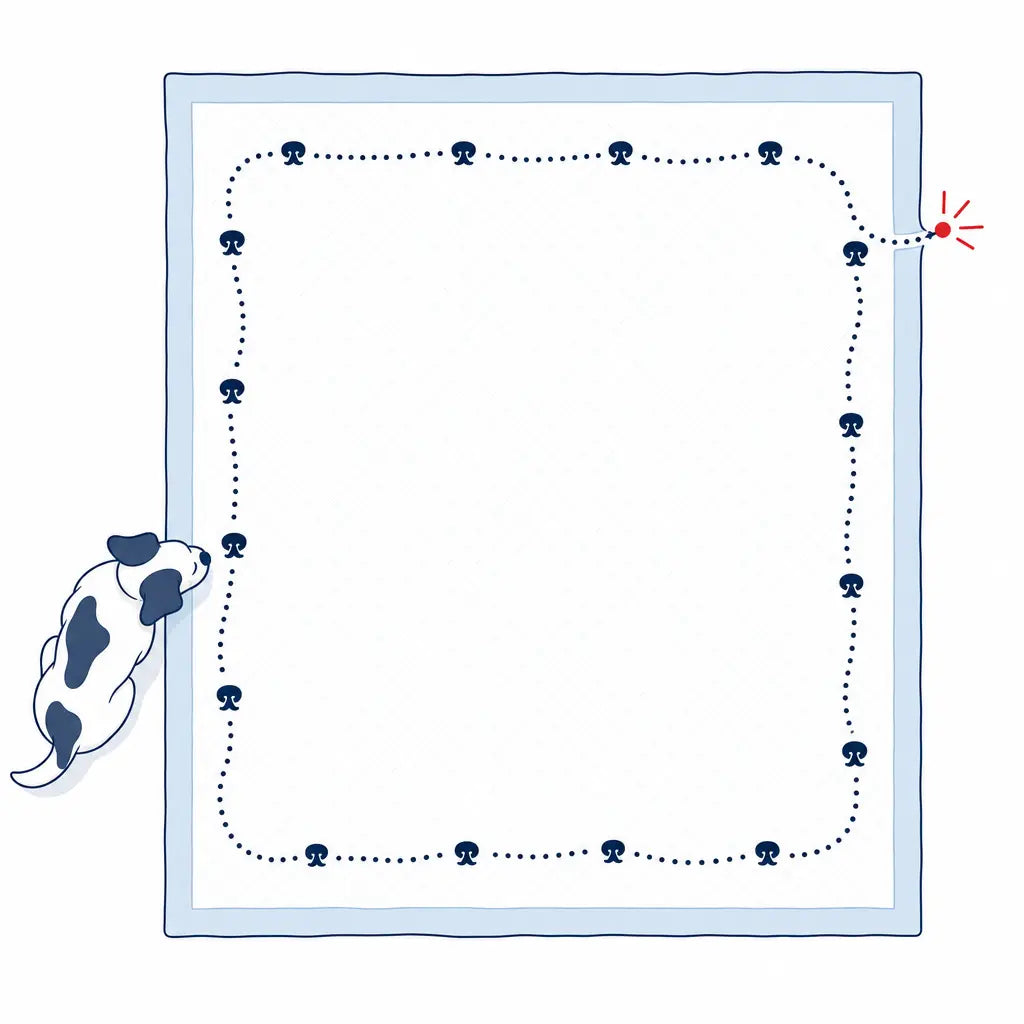
A dog explores a room through more than what we see. The position of a pad, the surrounding surfaces and familiar cues all belong to the setup. Keep the chosen area easy to find and leave enough room to approach it.
When you change the surface, take time to observe the routine again. Remove lingering mess around the area, return a clean pad to the same place and use the same guidance from one day to the next.
Meet VelaHush Pup Pad
Put the practical details in one place: a pad for your chosen area, a clean spare when needed and a repeatable care routine. The starter pack is for trying one spot. The rotation and family packs let you plan for washing time or several spaces.
The images below illustrate the target product style. Final supplier specifications will determine the fabric, construction, dimensions and any treatment used in the product. This editable draft keeps those details separate from promised outcomes.


Keep the pad in a spot your dog can reach comfortably. A consistent location makes it easier for you to observe what is working.

When a pad is being cleaned, a second one keeps the intended area ready. Choose a pack that matches the number of places you actually use.

Use the supplier’s cleaning directions and let the pad dry before it goes back into the routine. A simple rotation is easier to maintain.
You know your dog and your home best. Give the new surface a consistent place, observe the first visits and keep your guidance patient and predictable.

Getting Started


Choose a flat area with enough room for your dog to stand and turn. Keep the pad away from a busy doorway and position it where you can maintain the same setup.

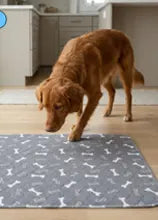
Introduce the new surface calmly. Watch how your dog approaches, keep your normal guidance consistent and adjust the room layout if the route is awkward.
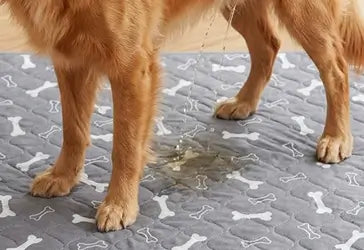

Follow the care label after use. Let the pad dry fully and place it back in the same area, or use a clean spare while the first one is being washed.
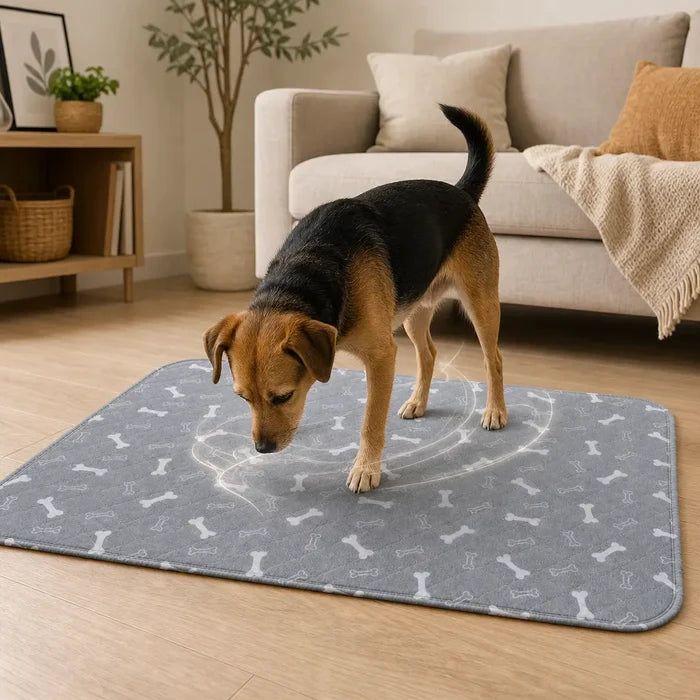
A dedicated fabric surface gives the setup its own feel. Final details about fiber content and any product treatment will be added from supplier documentation.
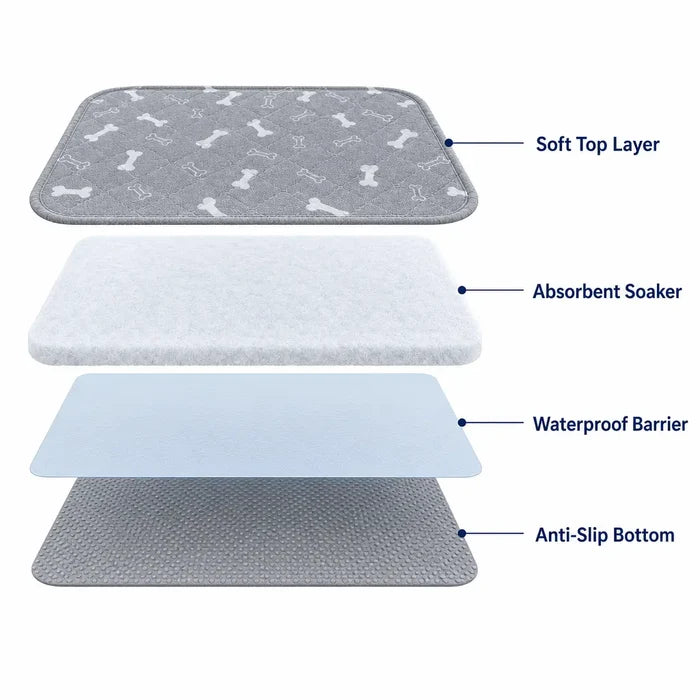
The layered design shown in the reference imagery is the target for this draft. Confirm the final absorbency and barrier specifications before making a performance promise.

A pad intended for reuse needs a care routine that protects the fabric. Inspect it between uses and replace a damaged pad rather than treating it as a chew toy.
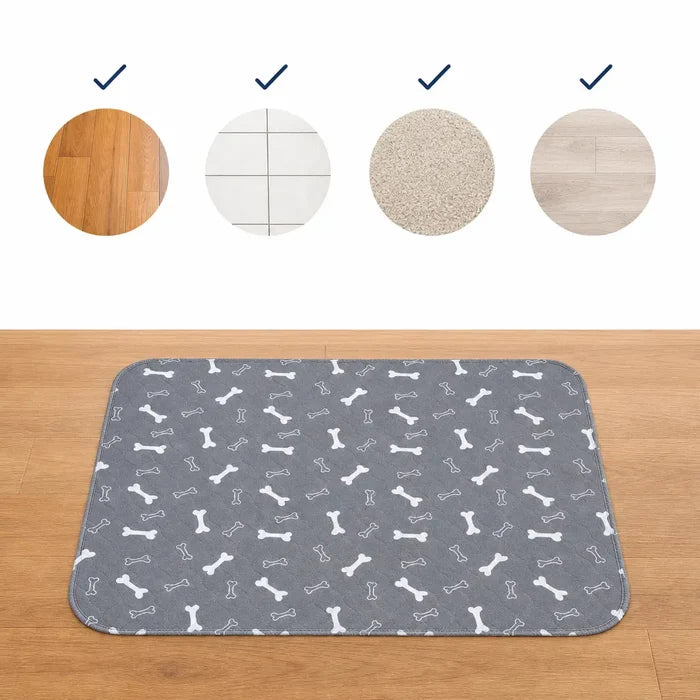
Place the pad on a clean, level surface. The final base material and floor compatibility should be confirmed for the product supplied to customers.
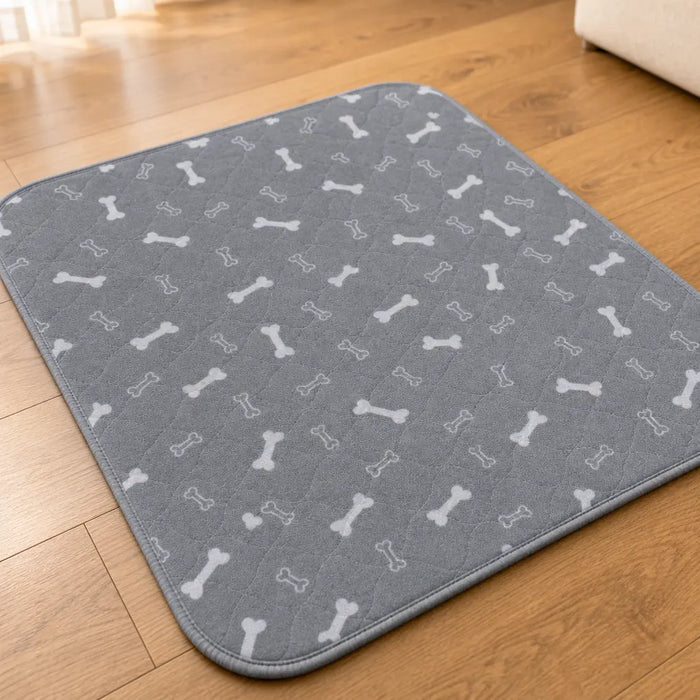
Regular cleaning and a dry replacement help keep the routine pleasant. Do not leave a saturated pad in place or rely on fragrance to replace proper care.
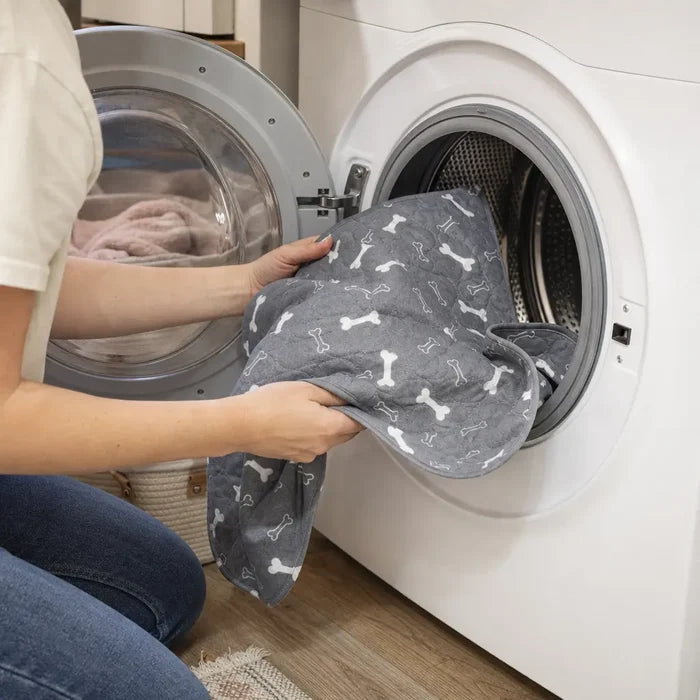
A reusable format works best with a rotation you can follow. Use the final care instructions and keep enough pads on hand for the time they take to wash and dry.
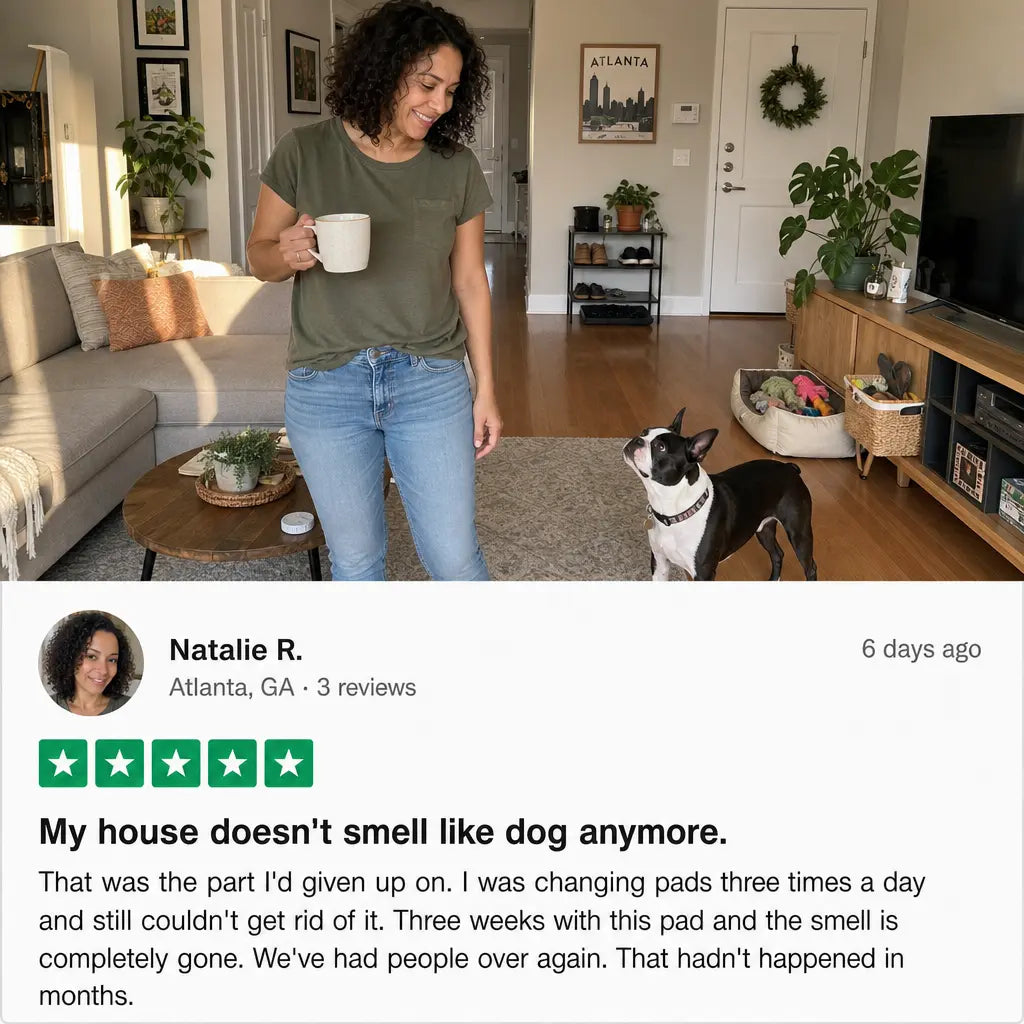
These five cards are editorial prompts, not customer testimonials. They preserve space for full reviews, reviewer details and product photos. Replace each prompt with a genuine review before using this section on a live store.
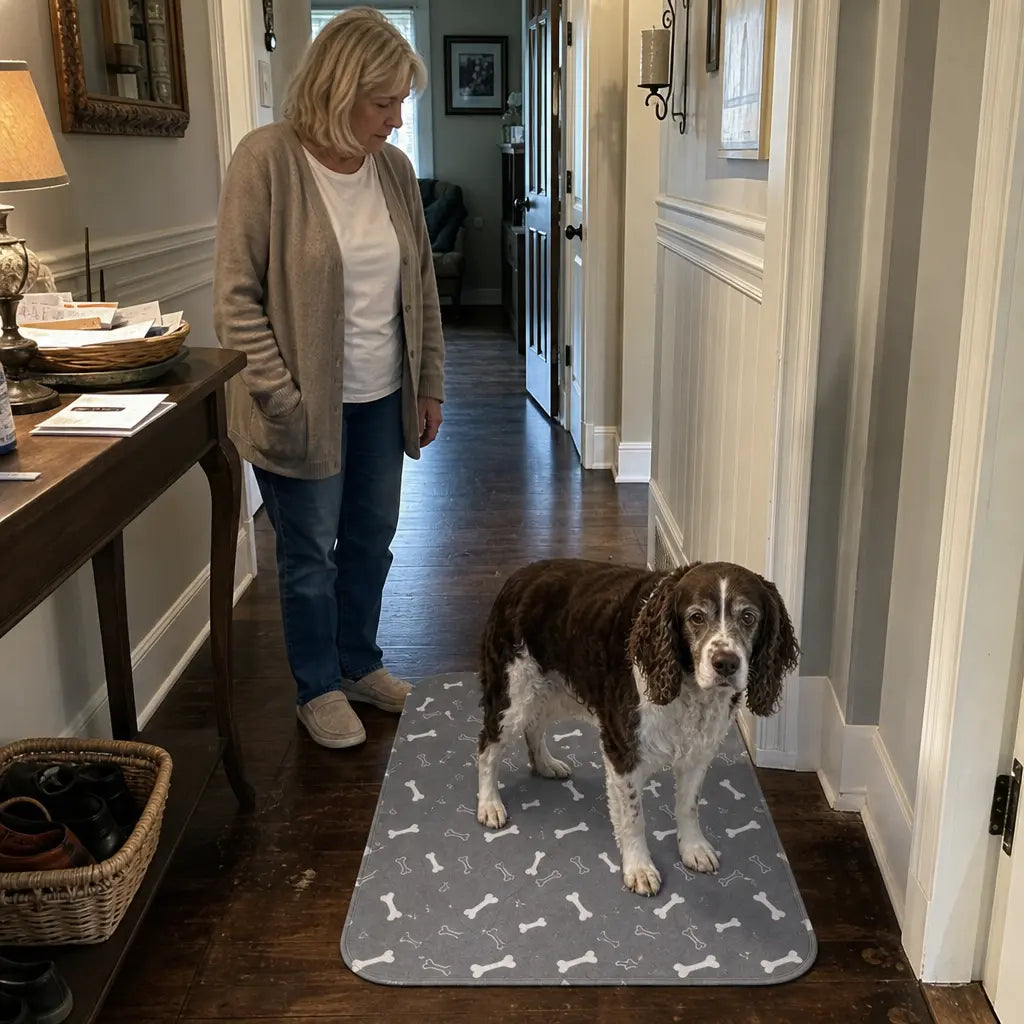
Use this card for a customer who explains how they chose a spot, introduced the pad and adjusted the room. Keep the original details of their experience, including anything that took time to get right.

Ask a customer to describe how many pads they keep ready, how they handle washing time and where the spare lives. A specific routine is more useful than a vague claim that everything became effortless.

This space can hold a real account of setting up several areas in the home. Include the dog’s habits and the household layout so readers can understand whether the same approach might suit them.
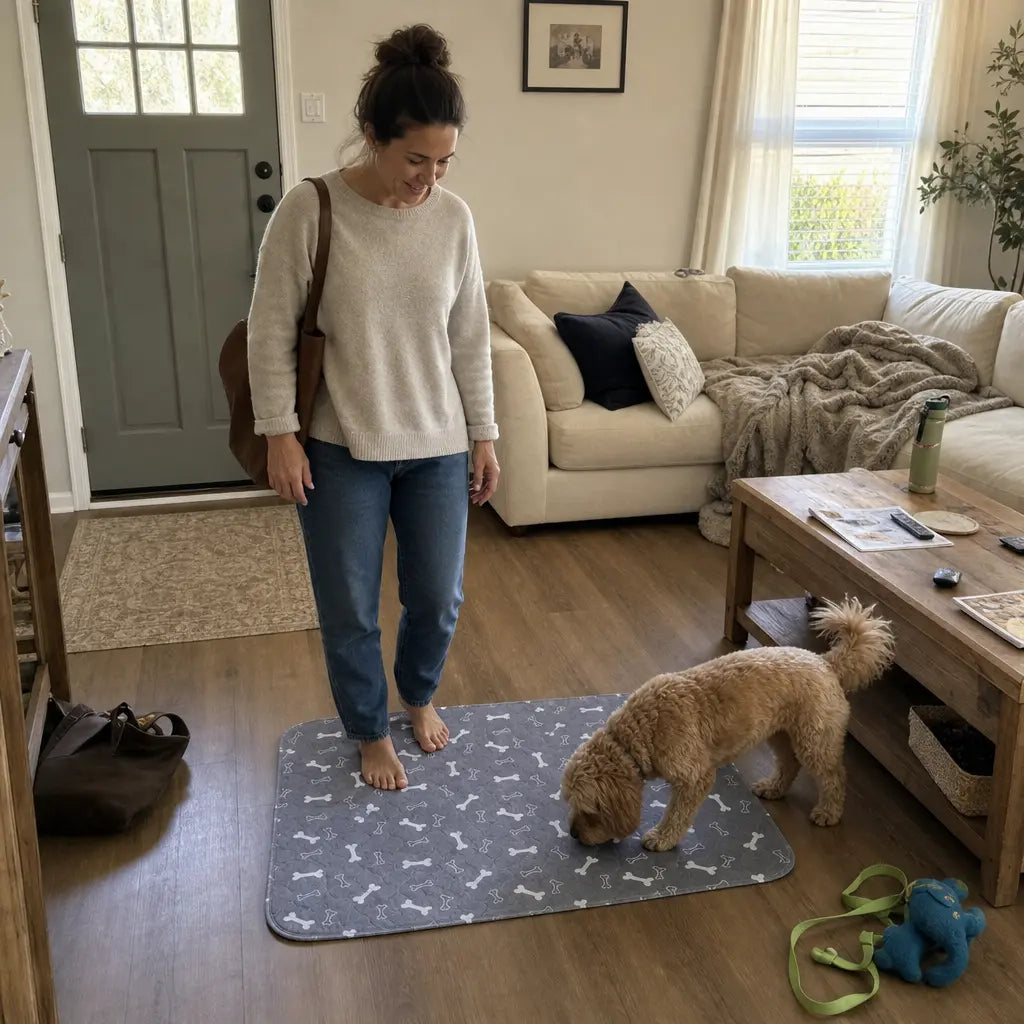
A useful review explains the care routine and how the pad looked after repeated use. Only include a wash count, durability result or savings figure if the customer’s actual experience supports it.
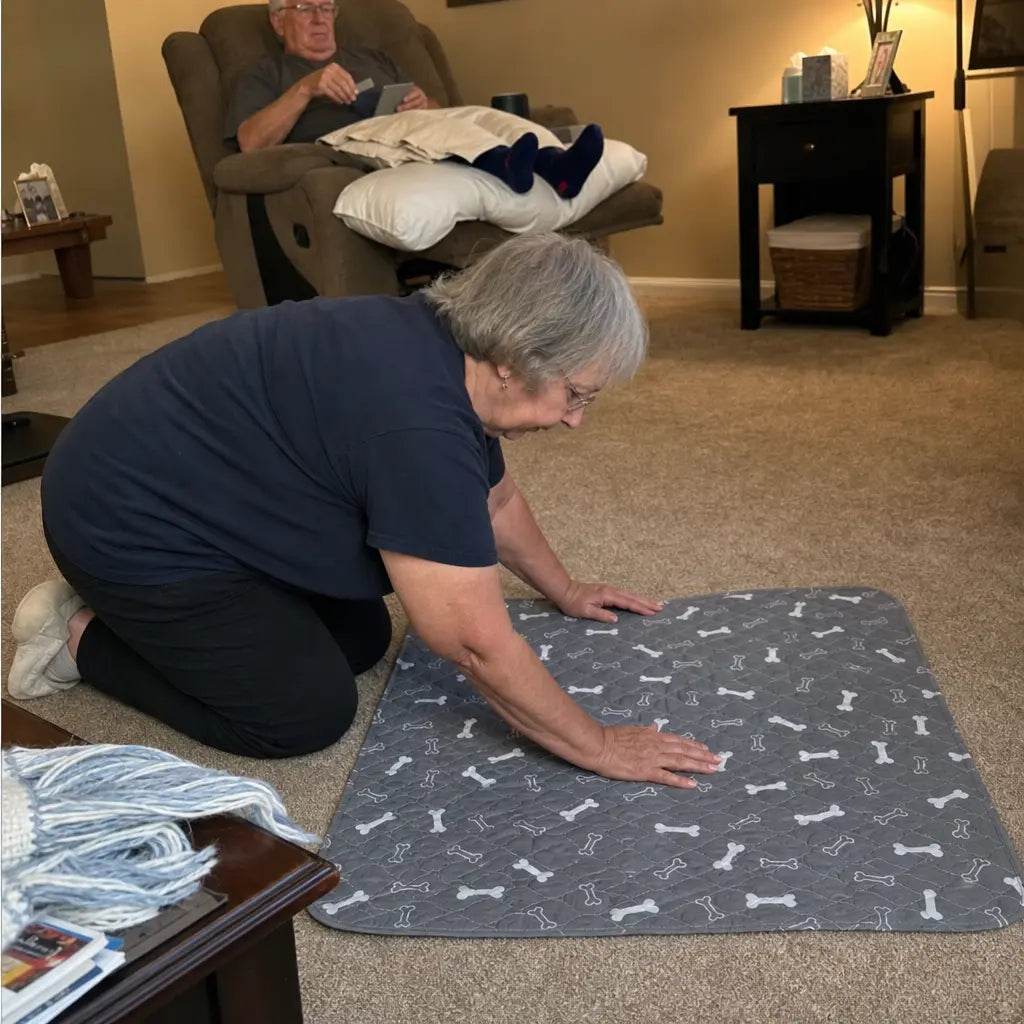
Invite a customer to share a practical day-to-day detail: preparing the area before leaving home, keeping a spare ready or carrying the pad to a familiar place. Preserve their own words when they provide permission.
Use the timeline as a plan for observation and care. It is not a promise that every dog will adapt on the same schedule. Keep the setup consistent and adjust it to the individual dog.
Pick the area, lay the pad flat and give your dog a calm introduction. Watch their first approaches and keep enough room clear around the pad.
Notice which route your dog uses and when they visit the area. Keep your guidance consistent and check that the pad stays in the intended position.
Choose a cleaning schedule that leaves a dry pad available. If you have several pads, decide which is in use, which is being cleaned and which is ready as the spare.
Look at what worked in your home and what still needs adjustment. Keep the useful habits and confirm that the pad, its size and its care routine fit everyday life.
Different homes need different setups. Use a single dedicated area or prepare several familiar spaces, then keep a clean pad available when the routine needs it.
Prepare the area before the household settles down. Keep the route clear and plan for a fresh pad when it needs changing.
Bring the pad along when a destination allows it. Introduce the new room carefully and keep cleaning supplies and a spare within reach.
A washable surface works with the cleaning routine you maintain. Keep the pad and the floor around it clean rather than letting one stand in for the other.
Choose a place that does not require a difficult route. Give your dog room to approach and check the setup as their needs change.
An indoor setup can fit into a smaller home when the area is chosen thoughtfully. Allow enough space around it and keep the same location whenever possible.

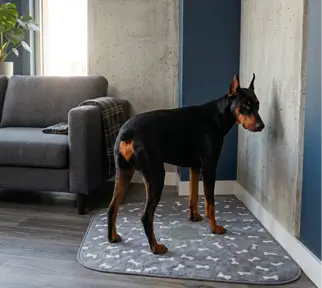

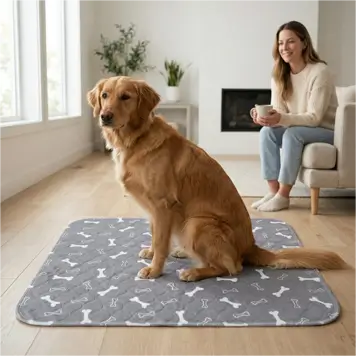
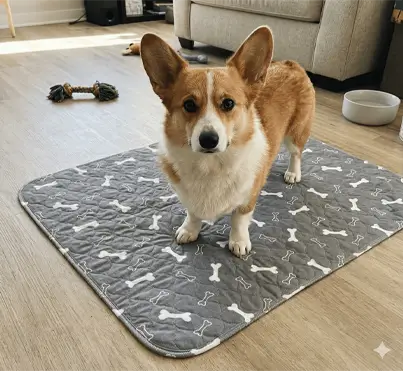


Compare the type of routine each format requires. Final performance specifications should come from the product supplier, and total cost depends on your own usage.
 VelaHush Pup Pad
 Disposable pad
Draft 90-Day Satisfaction Offer
The layout includes a 90-day offer so the complete page can be reviewed now. Before launch, the store owner will confirm the return window, eligibility, shipping responsibilities and refund process.
A clear policy should explain what happens when a product is not the right fit. Keep your order details, contact support through the store’s official channel and follow the instructions provided for your order.

Read the final policy before ordering. It should specify when the return window begins and what condition or documentation is required.
The completed policy will state how to request a return, where it should be sent and which shipping costs apply. That lets the customer decide with the facts in front of them.
If the product or setup is not suitable, the return policy explains the next step. A draft layout does not guarantee an individual dog’s response.

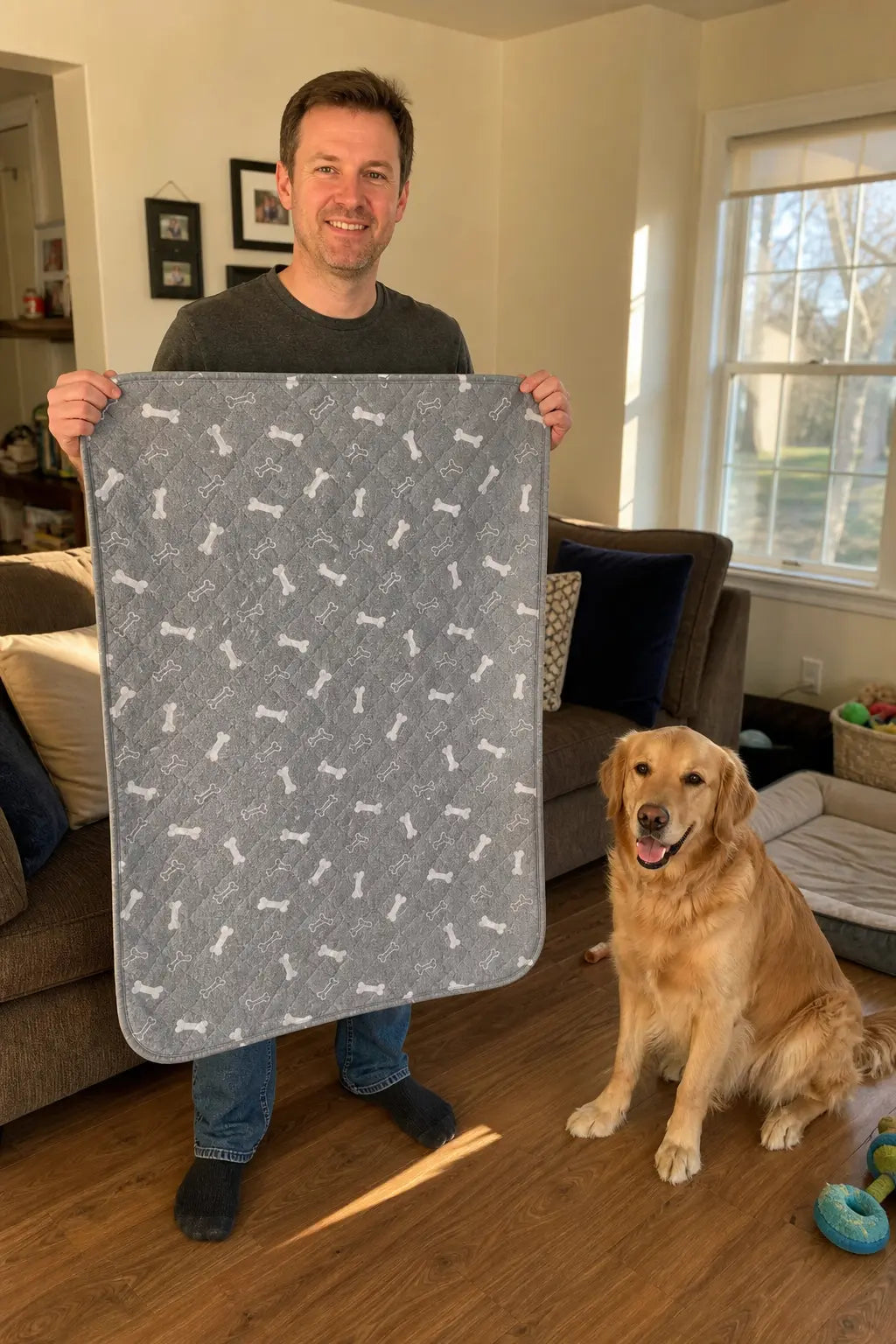


Treat it as a new surface in a familiar routine. Choose the location, show it to your dog calmly and keep guidance consistent. Some dogs need time to become comfortable with a changed setup. Observe their approach and make practical adjustments to the space instead of relying on a universal adaptation promise.
The reference product presents a scent-based mechanism, but the new product’s treatment has not been confirmed. Before launch, add the actual supplier specification and its care instructions. Do not describe a patented or permanent treatment unless the documentation for the supplied product supports it.
Keep the pad for its intended use and supervise a dog that chews fabric. No chew-proof claim is included in this draft. Inspect the pad for damage, remove loose material and follow the safety directions supplied with the final product.
Follow the final care label. It will specify temperature, cleaning products and drying methods appropriate for the fabric. Plan for the time needed to wash and dry it fully, and keep a spare available so a wet pad does not have to go straight back into use.
Clean the pad and the surrounding floor as needed. A washable surface is part of the cleaning routine, not a replacement for it. Do not leave a saturated pad in place; use a clean, dry one and follow the supplied maintenance directions.
The one-pad pack is priced at $49.50. The six-pad family pack is $148.50, and the three-pad rotation pack is $99.00. Consider the number of areas in use and the time pads spend washing and drying. Each package is one Shopify variant containing the stated number of pads.
The page has a draft 90-day policy section that must be finalized by the store owner. Check the published return terms before ordering and contact the store with your order details if you need help. Eligibility and refund handling will follow those final terms.
A designated surface can be part of a consistent puppy routine. Keep appropriate supervision, respond to your puppy’s usual signals and give clear, timely encouragement. Size, placement and the practical cleaning routine all need to suit the individual dog and household.

